Wildfire Prepared Home Standard

Zone 0 — The Noncombustible Zone

The first five feet around your home is a noncombustible moat that prevents wind-driven embers from igniting materials next to your structure. This is the single highest-impact action you can take.

0-5 ftNoncombustible zone
90%Homes lost to embers
6Action categories below

During a wildfire, embers travel miles ahead of the flame front. What's within 5 feet of your home determines whether it survives.

How to Measure Zone 0

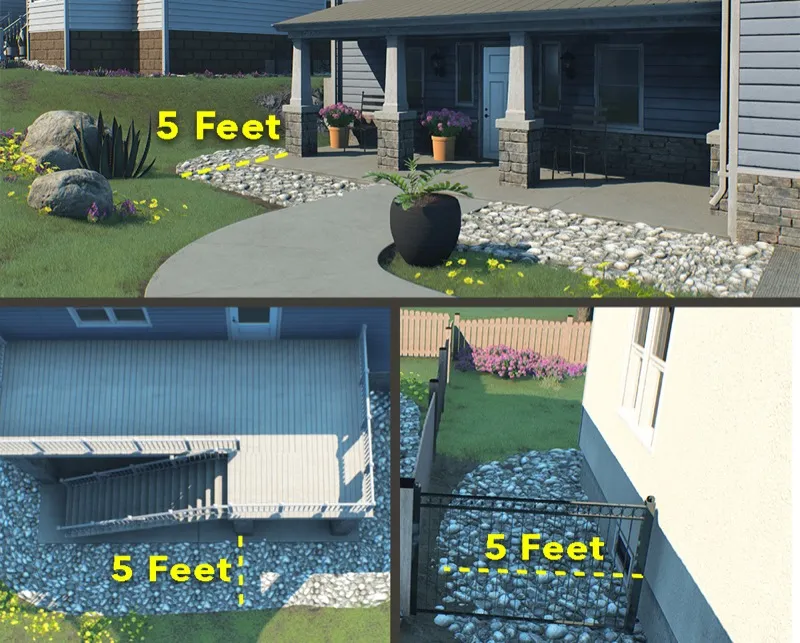
The 0-5 Foot Noncombustible Zone is measured horizontally from the edge of your home's exterior walls and, if present, from the outermost posts of any attached deck, porch, or overhead structure — extending outward to five feet.

This zone also extends vertically to the sky — any tree branches overhanging Zone 0 must be removed, even if the trunk is outside the 5-foot perimeter.

If you don't have a 5-foot setback between your house and the property line, you may need to coordinate with your neighbor or HOA to achieve this requirement.

Annotated photos showing the 5-foot noncombustible zone measured from home exterior walls, with labels indicating the 5-foot perimeter

The 5-foot zone is measured horizontally from exterior walls and deck posts. Source: Wildfire Prepared Home

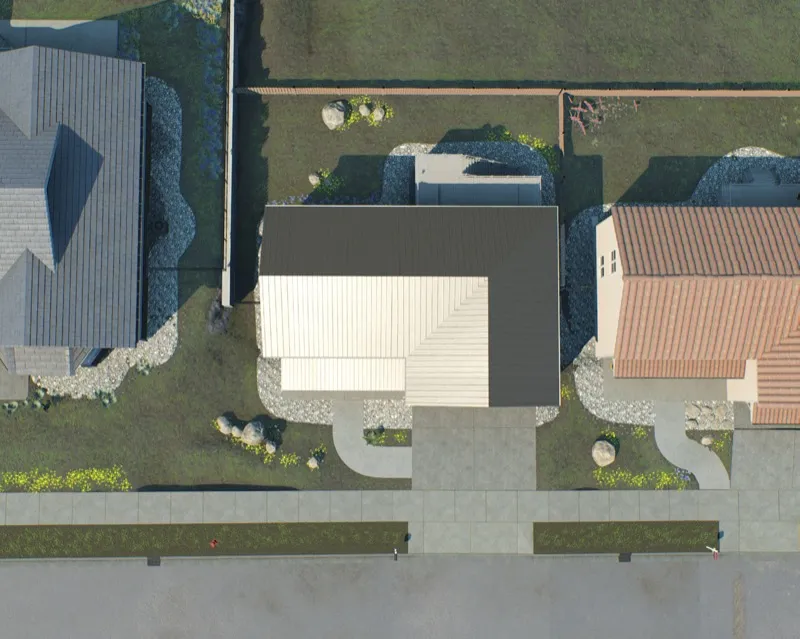
Aerial view of a home showing the noncombustible zone perimeter from above

Aerial perspective: the noncombustible zone surrounds the entire structure, creating a defensible perimeter.

Back to Prevention
Zone 0 Checklist
1

Vegetation

Remove ALL vegetation within 5 feet to bare mineral soil.

  • Remove all grass, artificial turf, weeds, flowers, succulents, cacti, plants, shrubs, bushes, vines, and vegetative debris.
  • No exceptions — even if irrigated or classified as fire-resistant.
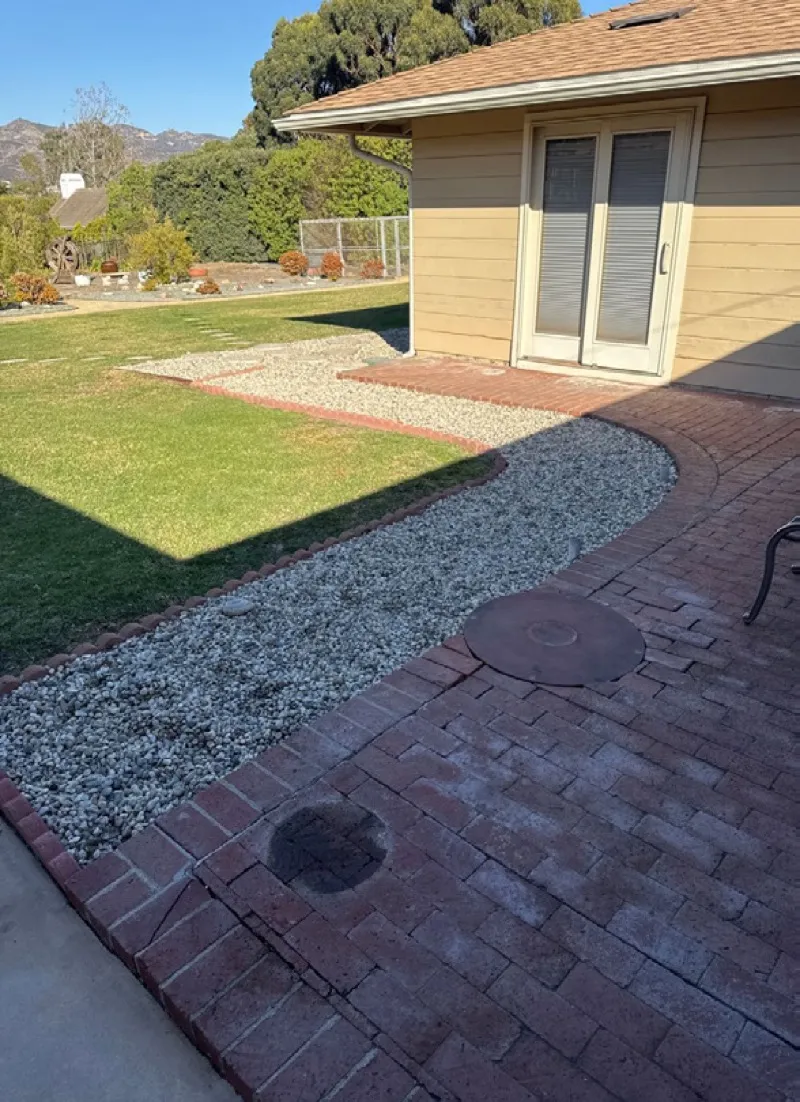
Noncombustible gravel and brick hardscape replacing vegetation around a home foundation
2

Trees, Limbs, and Branches

Remove all trees and overhanging branches within or above Zone 0.

  • Remove all trees, limbs, and branches within the 0-5 foot zone.
  • This extends vertically to the sky — any branch overhanging Zone 0 (looking straight up) must be removed.
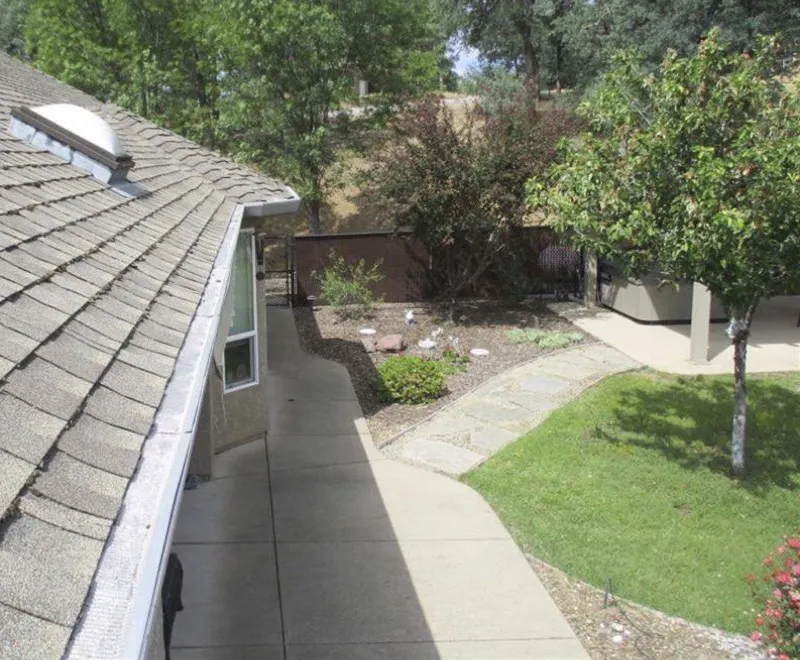
View from roofline showing clear space around home with no overhanging branches
3

Groundcover

Replace all combustible groundcover with noncombustible hardscape.

  • Remove wood mulch, rubber mulch, pine needles, and exposed weed cloth down to bare mineral soil.

Permitted Noncombustible Materials

GravelPaversRiver rocksDecomposed granite (DG)SteppingstonesConcrete
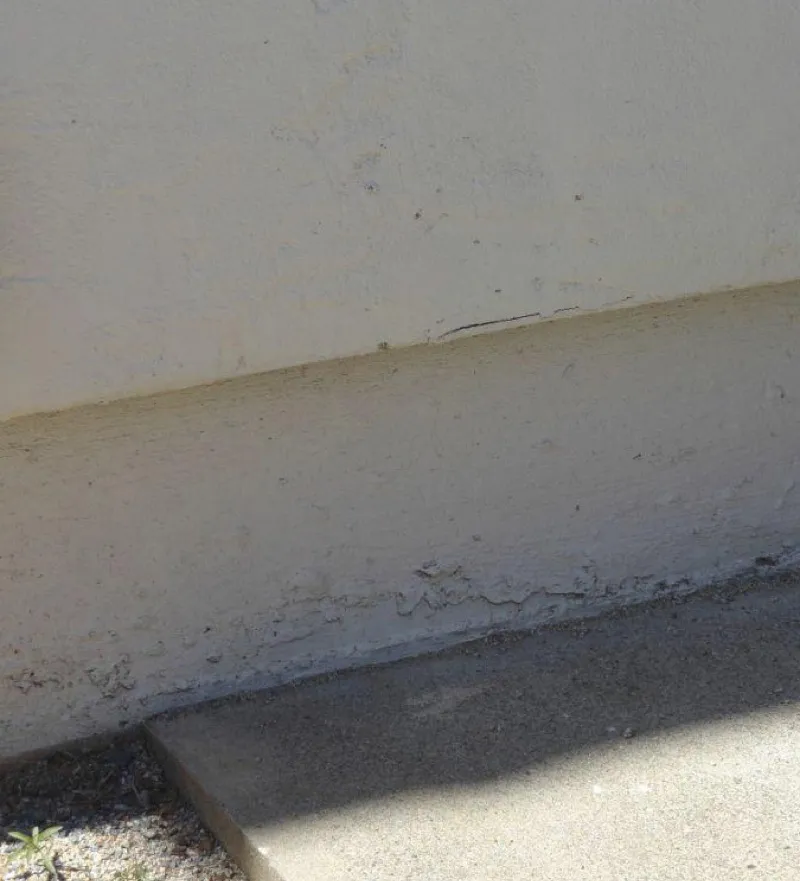
Noncombustible 6-inch base siding on stucco home with hardscape groundcover
4

Fences and Retaining Walls

Remove all combustible fencing materials within 5 feet of the home.

  • Remove all wood, vinyl, and composite fencing — including posts, gates, and retaining walls.
  • Fire-resistant materials (vinyl, composite, or fire-rated paint) are NOT permitted. Only true noncombustible materials qualify.

Permitted Noncombustible Materials

Metal — aluminum, chain link, steel, ironConcrete or masonry
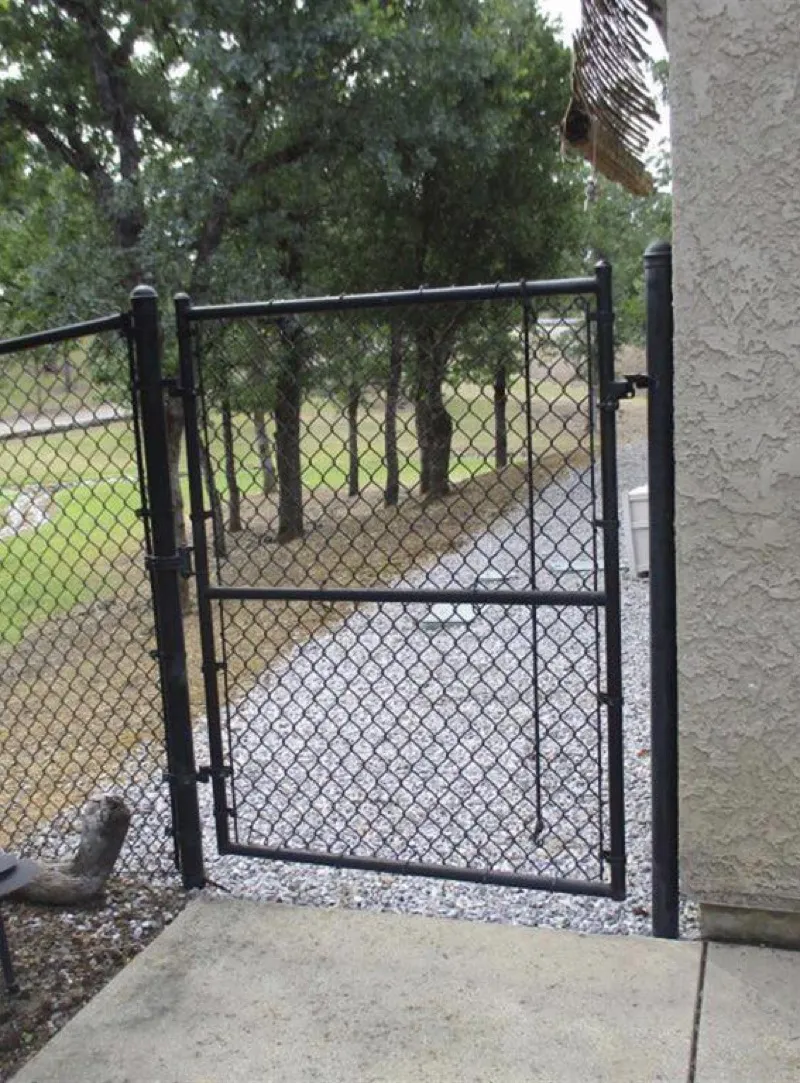
Metal chain-link gate properly connected to stucco wall as noncombustible fencing
5

Parked Items

No vehicles or large motorized equipment within 5 feet of the home.

  • Do not store vehicles, motorcycles, trailers, boats, campers, RVs, ATVs, golf carts, or similar items within 5 feet.
  • During Red Flag Warnings or extended absences, relocate them at least 30 feet away or store in a closed garage.
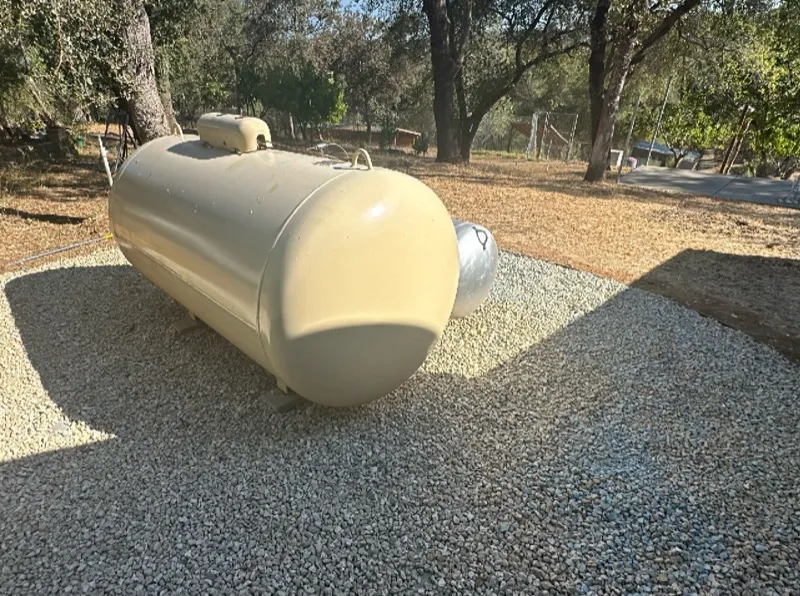
Propane tank placed on noncombustible gravel pad with proper clearance from structure
6

Combustible Items

Remove all combustible items from within 5 feet of the home.

  • Remove: firewood, furniture, hanging lamps, window-mounted AC units, large area rugs, combustible privacy dividers, plastic rain barrels, wine barrels, wood planters, sheds, saunas, storage containers, shade screens, and retractable shade screens without noncombustible housing.
  • Replacement option: Combustible furniture (wood, wicker, plastic) may be replaced with noncombustible-framed alternatives — cast iron, aluminum, or metal.

Exceptions

  • Movable items (trash/recycle bins, door mats, garden hoses, propane BBQ grills, bird feeders, pet beds, kids' toys) are permitted but MUST be relocated indoors or 30+ feet away during Red Flag Warnings or extended absences.
  • Permanent permitted items: TVs, speakers, pet doors, HVAC units, pool pumps, plastic downspout extensions, string lights, retractable shade screens with metal housing, solar panel battery enclosures, irrigation valves.
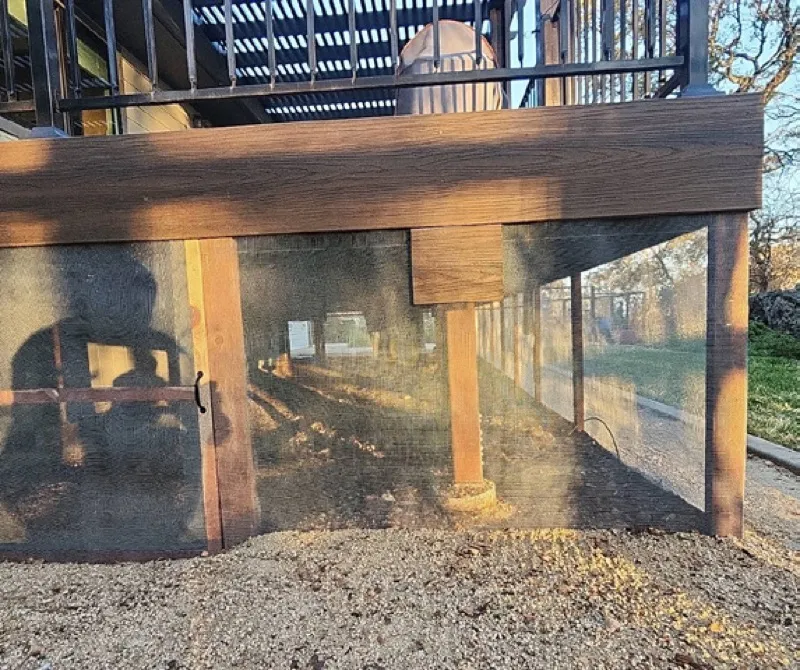
Under-deck area with mesh screening installed to prevent ember intrusion and debris accumulation
Building Feature Requirements

Clearing vegetation and combustibles is half the equation. The structure itself must resist ember intrusion at every opening and surface. These are required for the Wildfire Prepared Home Base designation.

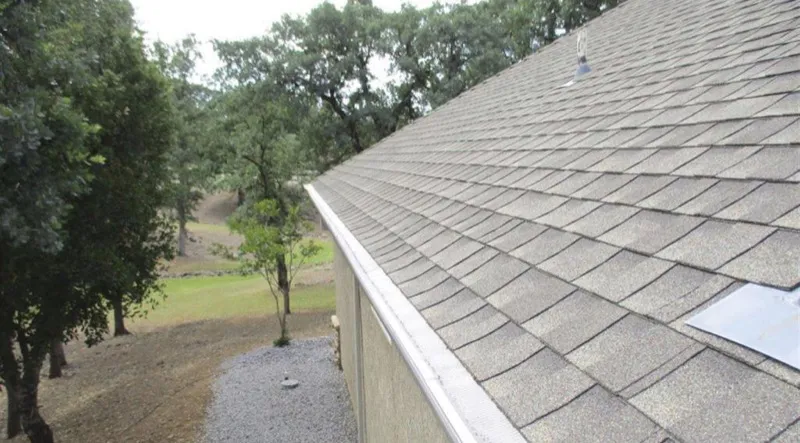
Clean asphalt shingle roof with metal gutters

Roof

Class A fire-rated covering required — asphalt shingles, concrete/clay tile, slate, or metal. Wood roofs and plastic corrugated panels are not permitted. Keep roof clear of all vegetative debris.

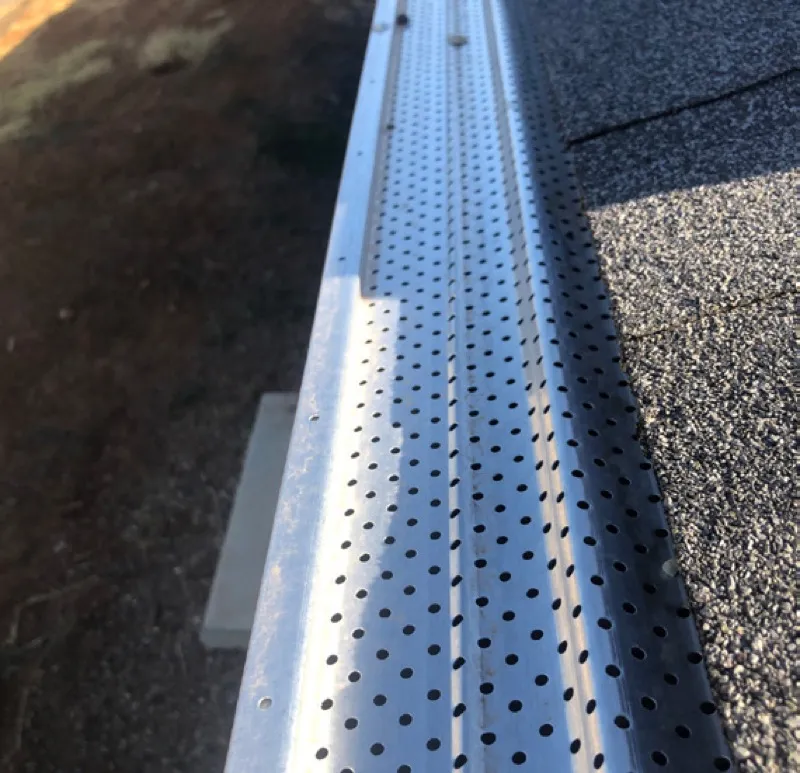
Metal gutter guard installed on roof edge to prevent debris accumulation

Gutters

Must be noncombustible (metal). Clear all vegetative debris regularly. Plus level: add noncombustible gutter guards to prevent debris accumulation.

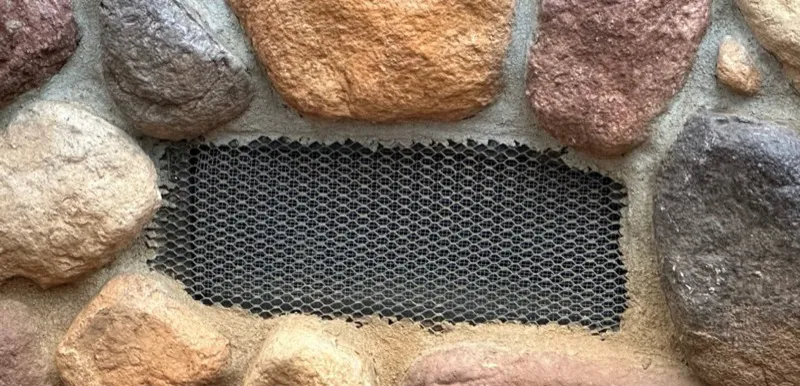
1/8-inch metal mesh screen installed over foundation vent in stone wall

Vents

All vents (roof, attic gable, eave/soffit, under-home) must have flame- and ember-resistant screens or 1/8-inch corrosion-resistant metal mesh. Exception: do not mesh dryer vents — ensure they have functional louvers or flaps instead.

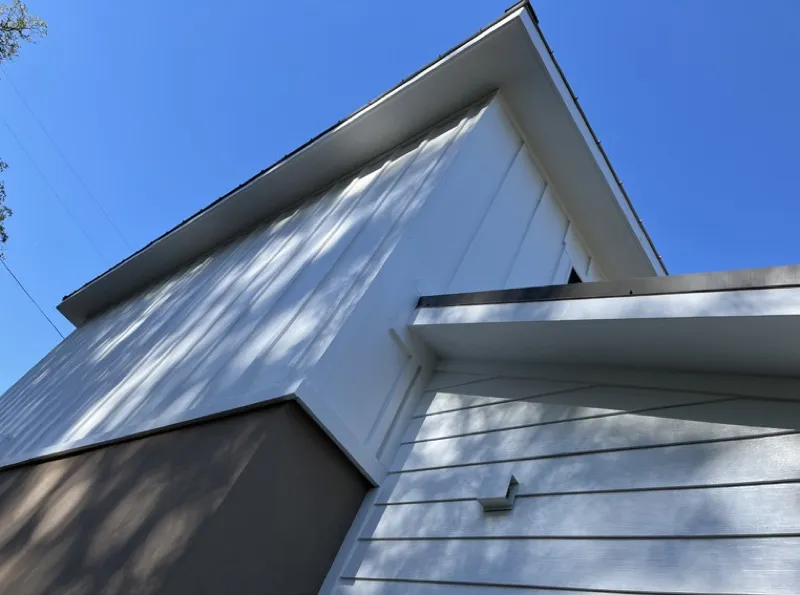
Fiber-cement siding on exterior wall showing noncombustible material

6-Inch Noncombustible Base

Exterior walls must have at least 6 vertical inches of noncombustible siding at ground level and above any attached horizontal surface (deck, patio). Acceptable: exposed concrete foundation, fiber-cement, brick, stone, stucco, or metal flashing.

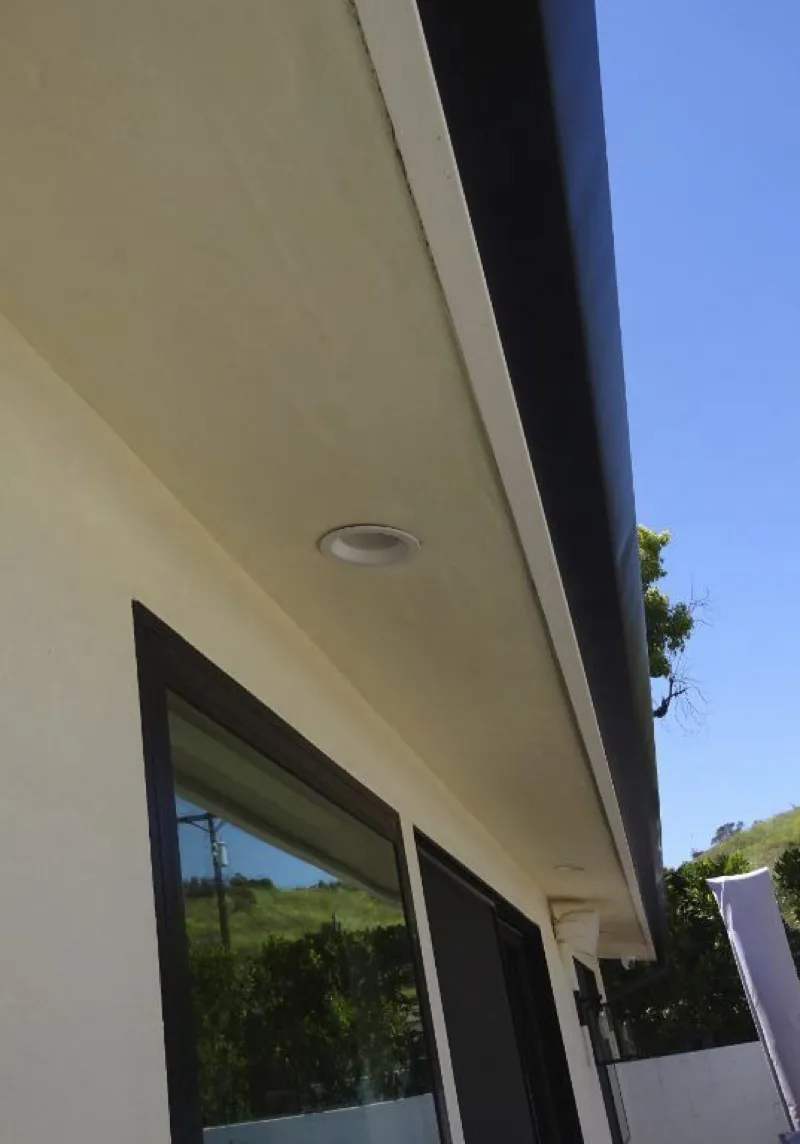
Enclosed eave soffit with recessed lighting and noncombustible materials

Eaves and Soffits

Plus level: enclose exposed eave undersides with noncombustible soffit — fiber-cement, stucco, or 2-inch nominal lumber. Soffit vents must be flame- and ember-resistant or covered with 1/8-inch metal mesh.

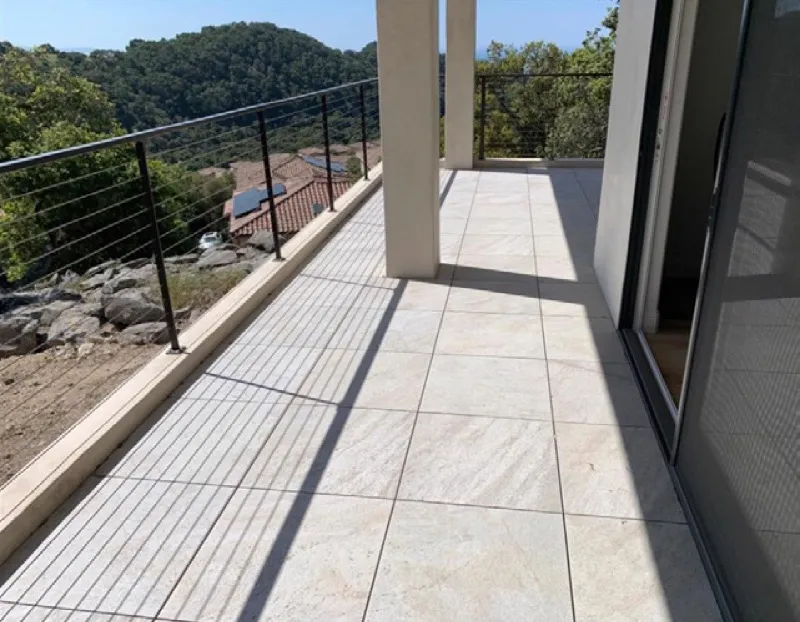
Noncombustible tile deck with metal cable railing on hillside home

Decks and Structures

Attached patios, decks, stairs, and overhead structures are part of the building footprint. Each needs its own 0-5 foot noncombustible zone measured from outermost posts. Keep surfaces clear of debris, remove combustible furniture, and enclose under-deck areas.

Full structural hardening details
Wildfire Prepared Home Designation

Base Designation

Ember defense — the essential level

  • Create the 0-5 foot noncombustible zone
  • Maintain 30 feet of defensible space
  • Upgrade vulnerable building features (roof, gutters, vents, siding)

Plus Designation

Enhanced protection — radiant heat + direct flame

  • All Base requirements plus:
  • Enclosed eaves with noncombustible soffit
  • Tempered glass skylights and dual-pane windows
  • Noncombustible exterior wall covering (all siding)
  • Noncombustible decks and gutter guards
  • No detached structures within 30 feet

Based on the latest science from the Insurance Institute for Business & Home Safety (IBHS). Learn more and apply at wildfireprepared.org

Red Flag Warning / Extended Absence Protocol

When a Red Flag Warning is issued or you'll be away from home for an extended period, take these additional steps:

  • Clear all vegetative debris from the 0-5 foot zone
  • Relocate trash/recycle bins, door mats, BBQ grills, and other movable combustible items indoors or 30+ feet away
  • Move vehicles, trailers, boats, and RVs at least 30 feet from the home or into a closed garage
  • Remove all vegetative debris from roof and gutters
  • Move patio furniture cushions, potted plants, and kids' toys indoors

Sources

Wildfire Prepared Home 2025 Technical Standard · Insurance Institute for Business & Home Safety (IBHS) · wildfireprepared.org · CAL FIRE — Ready for Wildfire · Board of Forestry & Fire Protection — Zone 0 Rulemaking (AB 3074)

Completed Your Zone 0 Work?

Every hour of defensible space work counts toward your annual Firewise requirement. Log your hours now to maintain our community's certification — and your insurance discount eligibility.